The problem
Every batch is different. The process still runs on a calendar.
Fermentation makes beer and wine, yoghurt and cheese, enzymes, proteins and medicines. It is a living, stochastic process, yet most plants run it on fixed lab SOPs and a hydrometer reading once a day. Problems show up as a taste, a day too late.
Longer batches
Tanks sit on the SOP's schedule, not on the state of the beer.
Raw material wasted
Lost to process inefficiency, slow starts and stuck batches.
Cost of inconsistency
Blending, rework and downgrading of batches that drifted.
Industry estimates of what running blind costs a fermentation plant.
Why nobody has fixed it
The models aren't the hard part. The data is.
Good fermentation models need two things: a large volume of high-fidelity data, and wide variation in that data. The industries that could afford to build them have neither.
Each plant runs a handful of tightly controlled, very expensive batches. The process data sits behind IP and patents.
The same few recipes, repeated for decades, in legacy tanks that were never designed to collect data.
Hundreds of small breweries run industrial-scale tanks with different recipes, yeasts, raw materials and conditions every week. The data is not locked away. It is simply never recorded.
Project Kinva · Hardware
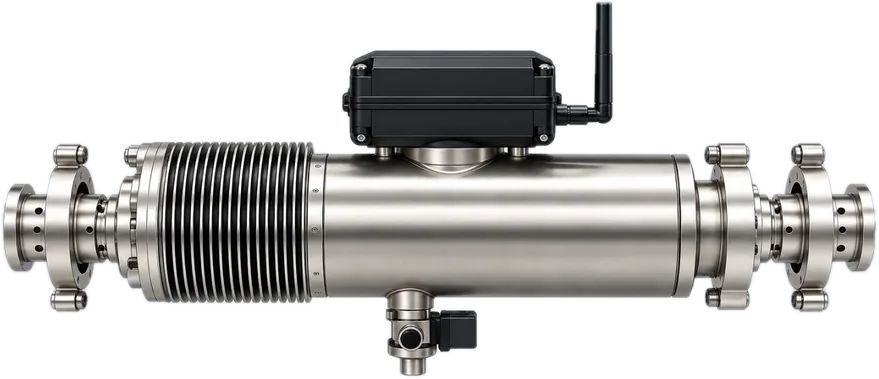
The Kinva sensor pod
A sensor pod that fits on a fermenter's gas line and reads the fermentation from the outside, every minute of every batch.
- Fits on the existing fermenter: no drilling, no welding
- Nothing enters the tank and nothing touches the beer
- Installs in a few hours, between batches
What the yeast breathes out
CO₂ flow and gas composition at one-minute resolution. The CO₂ a fermentation releases tracks the sugar it has eaten, so the gas line tells the story of the batch.
The conditions around it
Temperature, pressure and flow, logged against the brewer's set points and events: pitch, dry hop, cold crash, transfer.
What is in the gas
UV-Vis and near-infrared readings and chemical proxies that add detail the CO₂ curve alone cannot give.
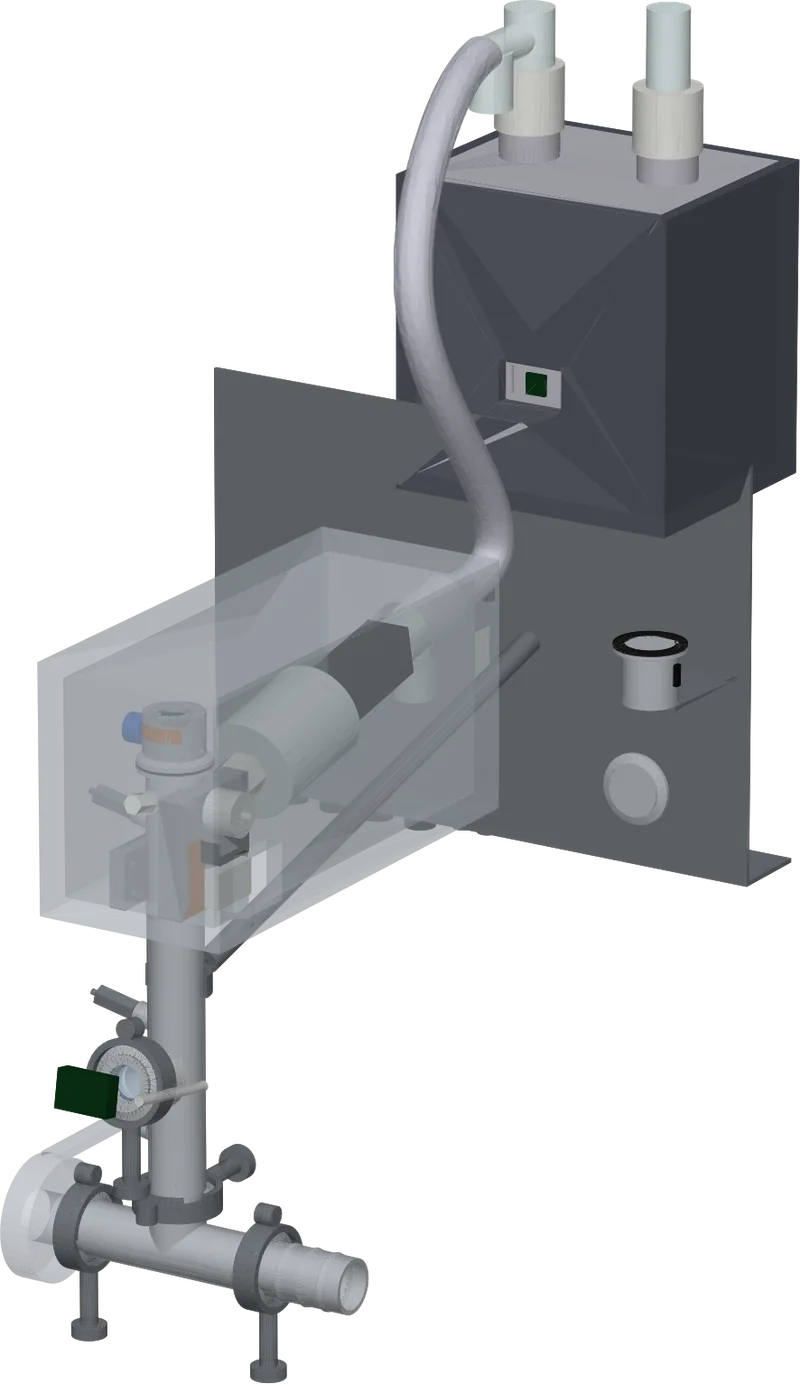
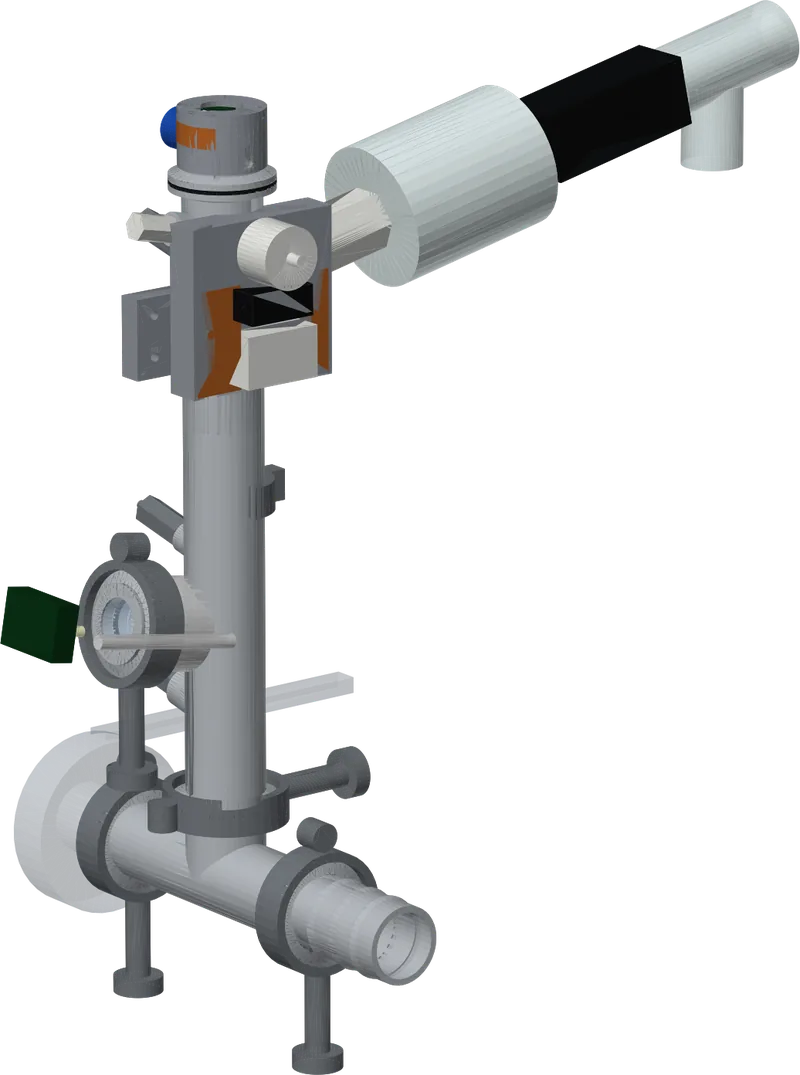
Hard + soft sensing
Probes in our own tanks
On partner tanks the pod works from the outside. In our own plant we add calibrated probes inside the fermenter for liquid temperature and density. Those direct measurements are the ground truth that teaches the models to read the pod's outside signals correctly.
Project Kinva · Software
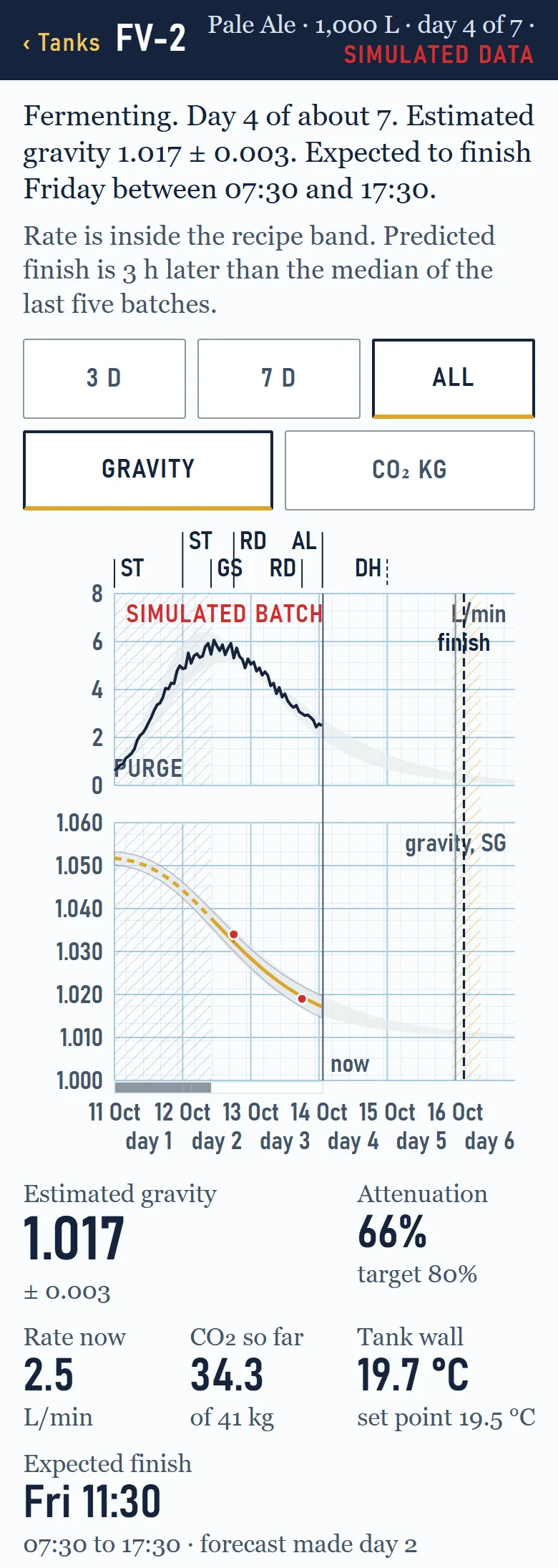
Every tank, live, on the brewer's phone
The Kinva app turns the pod's signals into something a brewer uses on a busy day.
A live curve for every tank
Activity, progress and an estimated gravity between hydrometer readings.
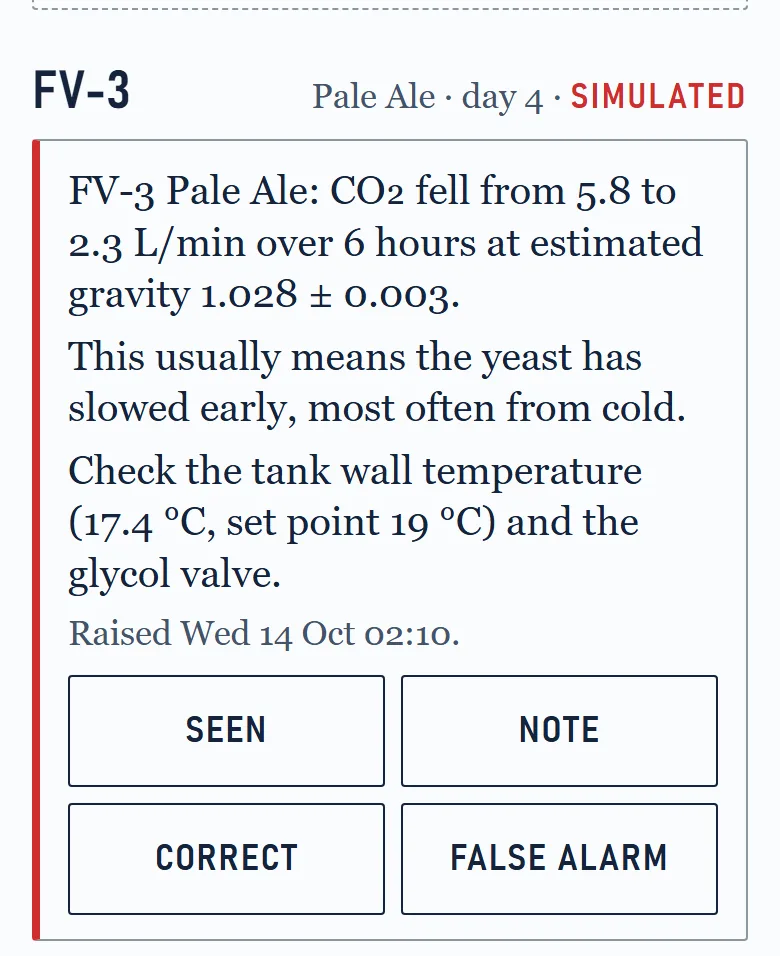
Alerts in plain language
A slowing fermentation or a drifting temperature becomes a 2 a.m. notification with what to check, not a post-mortem the next day.
A permanent batch history
Every batch of every recipe, kept. Compare this month's IPA with the best one you ever made. When a brewer leaves, the knowledge stays.
Simulated The screens show a simulated batch. The first pods go onto partner tanks next.
Project Airavat · Fermentation AI
From watching a batch to steering it
Airavat is our family of fermentation models: fermentation kinetics constrained by chemistry, with machine learning correcting them where the data supports it. Each step is earned with real batches before the next one ships.
Live curves and alerts
Physics only. The CO₂ curve, the conditions and alerts for anything outside the expected band.
Mass balance
Gravity estimated from the gas, checked against the brewer's hydrometer readings.
Finish forecast
When will this tank be done? Forecasts with an honest time window, tested on breweries the model has never seen.
Stuck-batch early warning
Spotting a fermentation that is about to stall while it can still be rescued with a re-pitch or a temperature change.
Small batch to large batch
Fit a model on a 20 litre trial and predict how the same recipe will behave in a production tank twenty-five times larger.
Recommended changes
The model suggests what to change, such as temperature or timing, and we test those suggestions in paired trials in our own plant.
Months count from the first pods on partner tanks. We publish no accuracy figure until it comes from real batches.
Data layer I · Partner breweries
Volume and diversity
Pods on the tanks of eight to ten craft breweries in and around NCR.
- Many recipes, yeasts and raw materials
- Different equipment and operating habits
- Real-world, noisy data at industrial scale
Data layer II · Our own plant
Ground truth
Our own fermentation plant is designed for data from day one, with probes inside the fermenters.
- Hundreds of fully instrumented batches
- Freedom to experiment: strains, recipes, stress tests
- Where models are trained, validated and challenged
Phase I · Now
Craft beverages
Data collection on partner brewery tanks and in our own instrumented plant.
Phase II
Neighbouring fermentations
Wine, cider, distillery washes and larger breweries, where the same yeast and signals apply.
Phase III
Beyond beverages
Precision fermentation and bio-pharma. Their data stays sparse, but the method carries over.
For craft breweries
The founding partner programme
We are building fermentation software. The more batches it learns from, the better it gets for everyone who uses it, so our founding partners get the whole system free.
- Pods on your fermentersHardware, installation and maintenance on us. If a pod fails, your brewery runs exactly as before.
- The Kinva app for your teamLive tanks, alerts and batch history for the owner and the brewers.
- Free for founding partners, permanentlyPlus first access to every forecasting feature as it is released.
- Start with two tanksA twenty-minute walk through your tank room tells us whether they fit.
Your data stays yours
- Your data is never shown to another brewery or published. Each partner sees only its own tanks.
- Recipes stay yours. The pod reads gas, temperature and optical signals, not your grain bill.
- Want it gone? We remove the pods in an afternoon and hand you your full batch archive.
Founding partners signed

For investors
Building the data layer fermentation AI is missing
Partner breweries for volume, our own plant for ground truth, and models built to carry from craft brewing to industrial fermentation. Ask us for the pitch deck.
Contact
Let's talk fermentation.
Whether you run a brewery, invest in deep tech or work on fermentation at scale, we want to hear from you.